Latest Intelligence
AI Agent Intelligence
Practical guidance for understanding, building, architecting, and operating AI agent systems—from foundational concepts to production reliability.
-
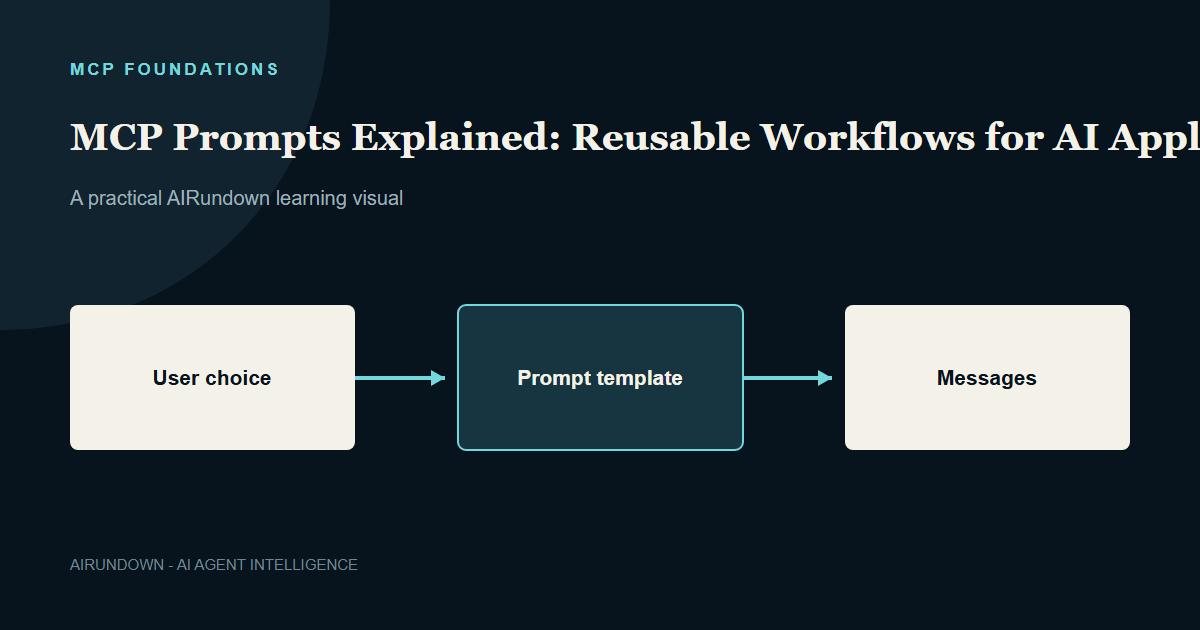
MCP Prompts Explained: Reusable Workflows for AI Applications
A practical guide to MCP prompts, including discovery, arguments, message content, user control, safety, and design patterns.
-
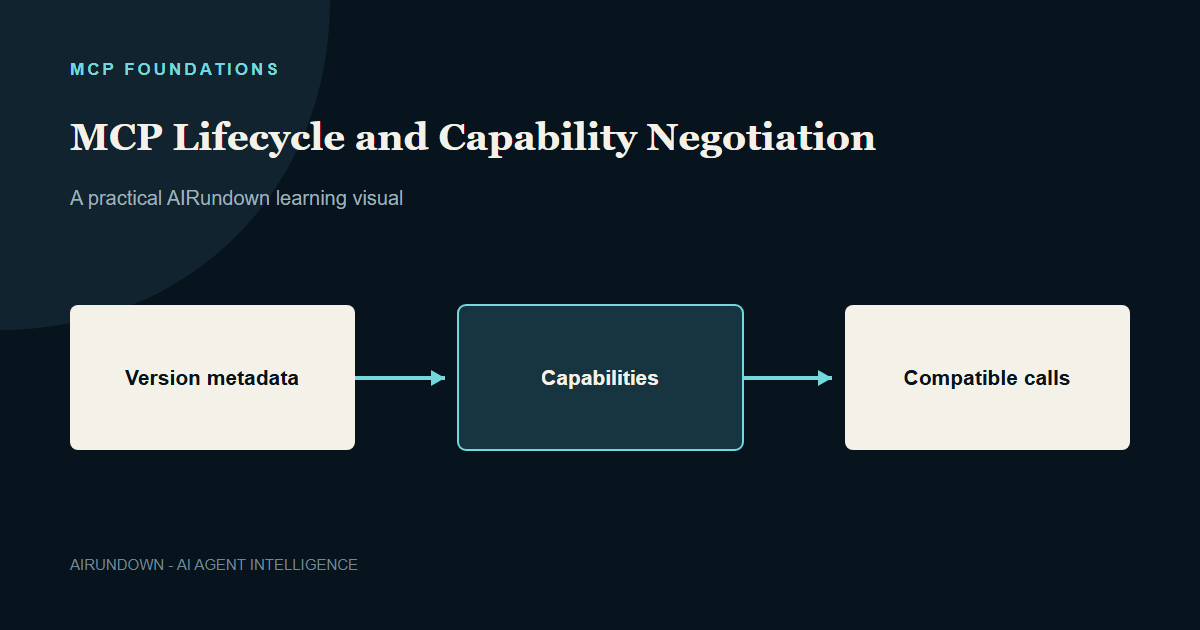
MCP Lifecycle and Capability Negotiation
A current guide to MCP version compatibility, capability discovery, request metadata, feature use, and the transition from older handshakes.
-
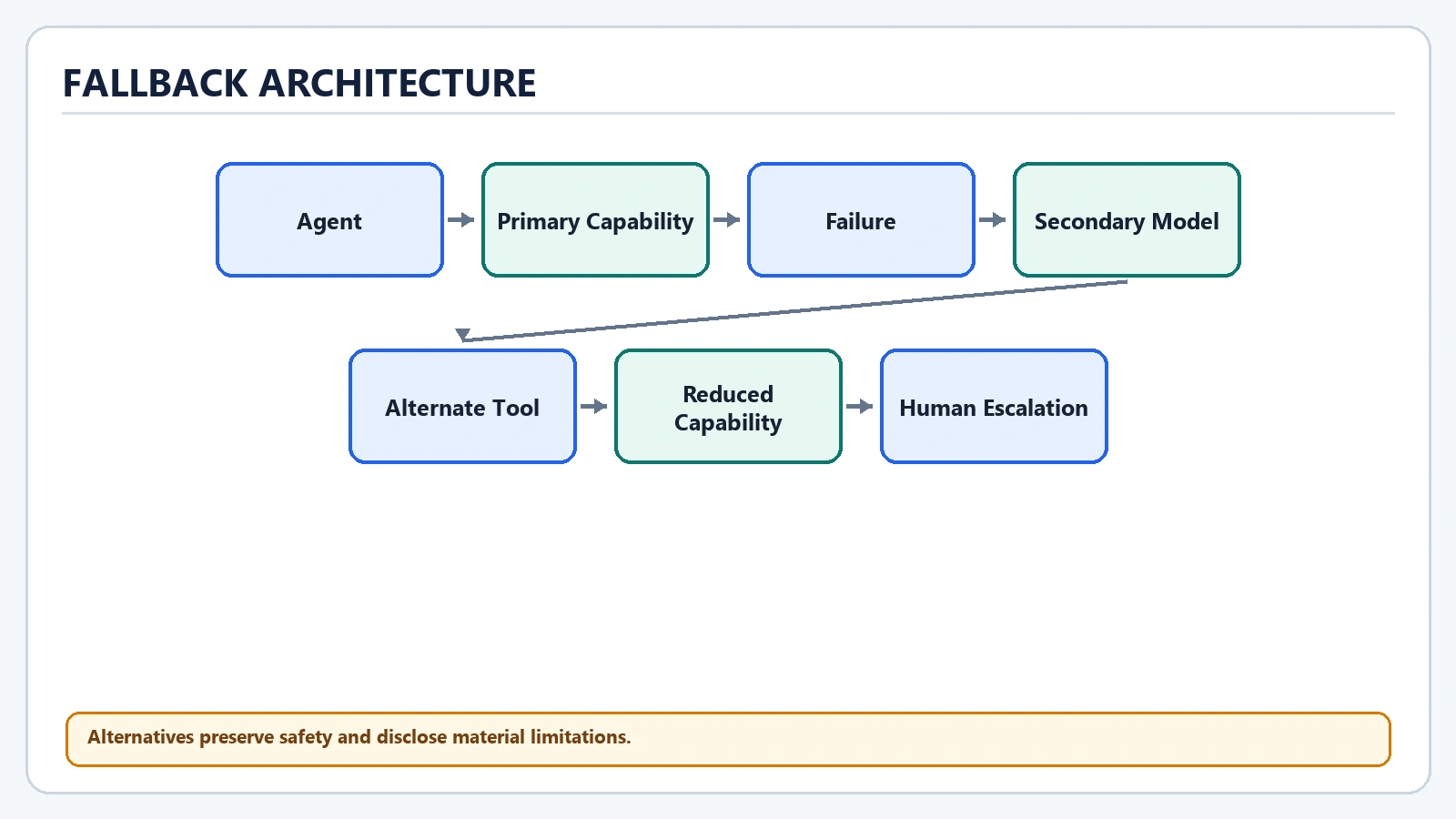
Designing Agent Fallbacks and Graceful Degradation
Keep an agent safely useful when models, tools, data, or specialists fail—without fabricating success or silently weakening controls.
-
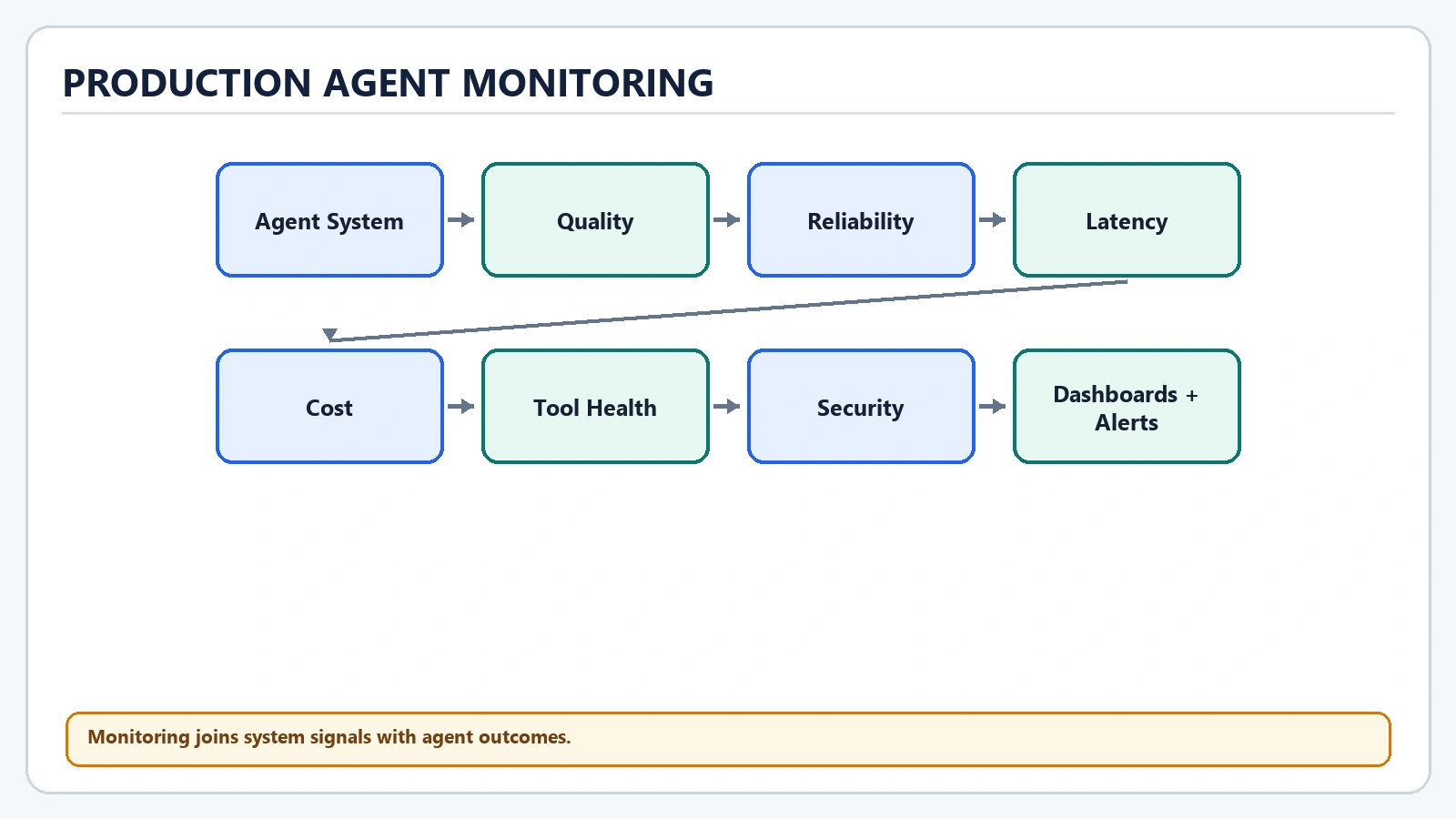
Production Monitoring for AI Agents
Turn traces, metrics, logs, and evaluations into selected production signals, thresholds, dashboards, and actionable alerts.
-
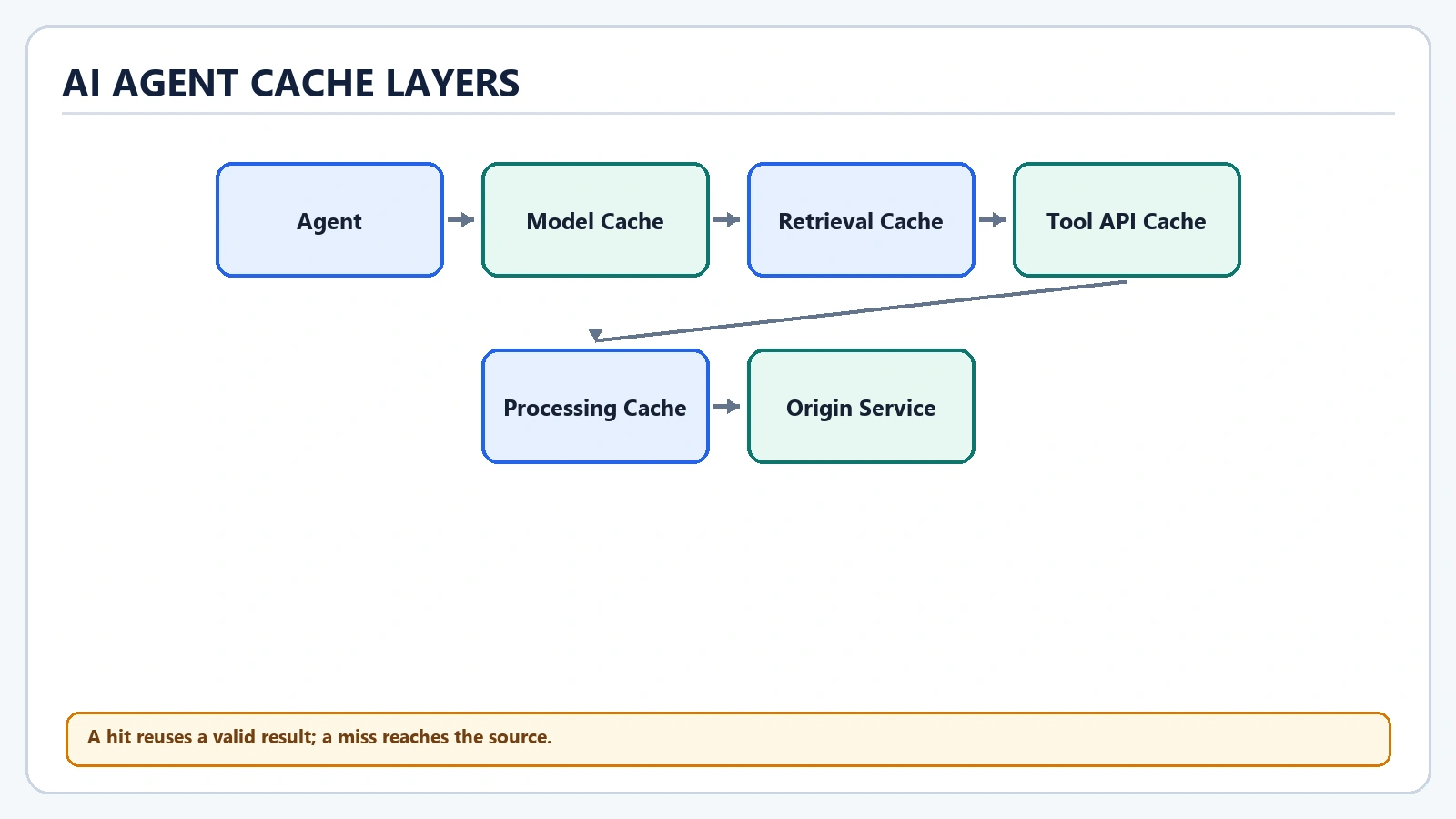
Caching Strategies for AI Agent Systems
Reuse expensive results only when identity, freshness, authorization, and side-effect semantics make reuse safe.
-
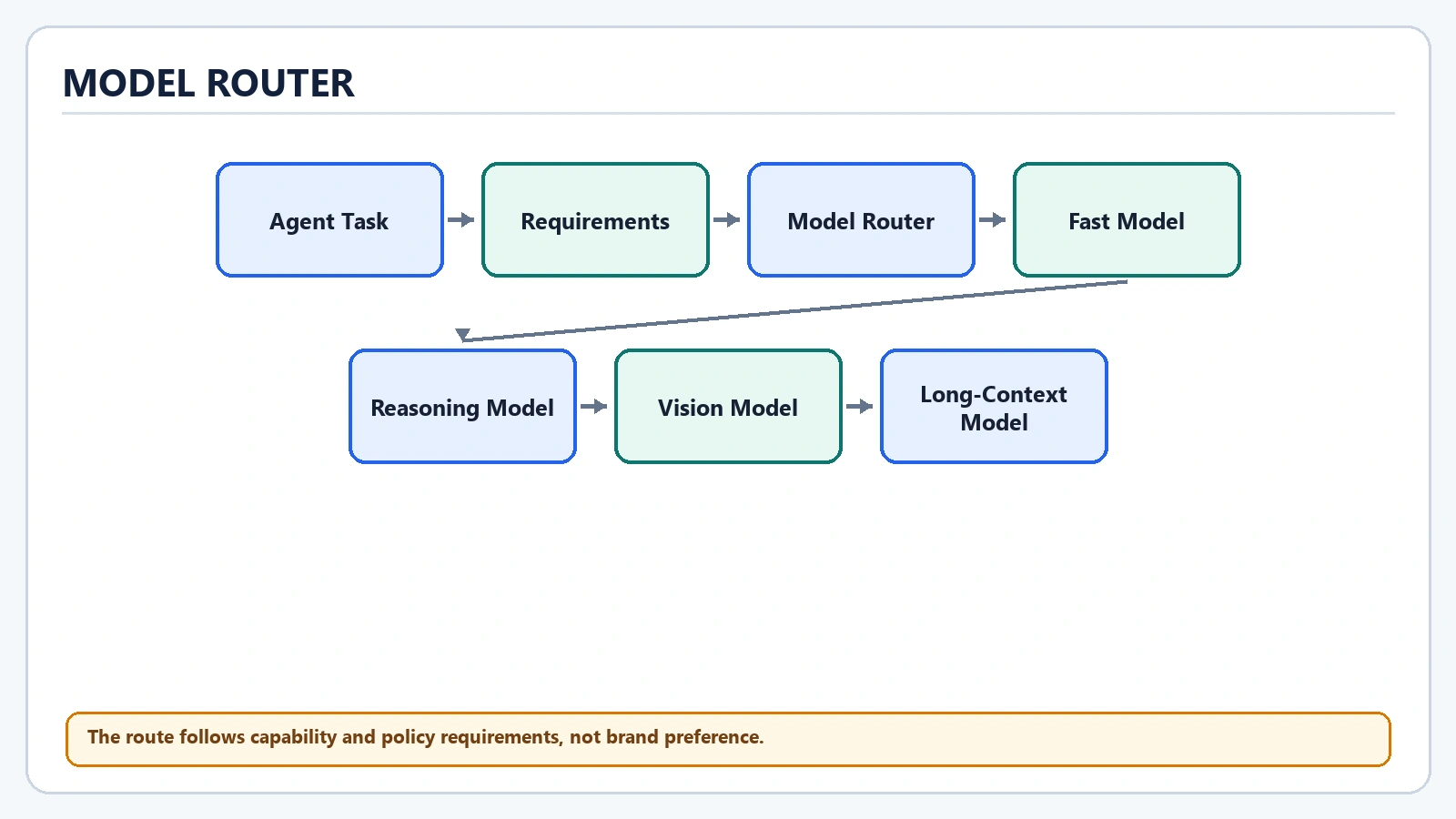
Model Routing for AI Agents
Choose models by task requirements, policy, quality, latency, and cost instead of sending every step to one default.
-
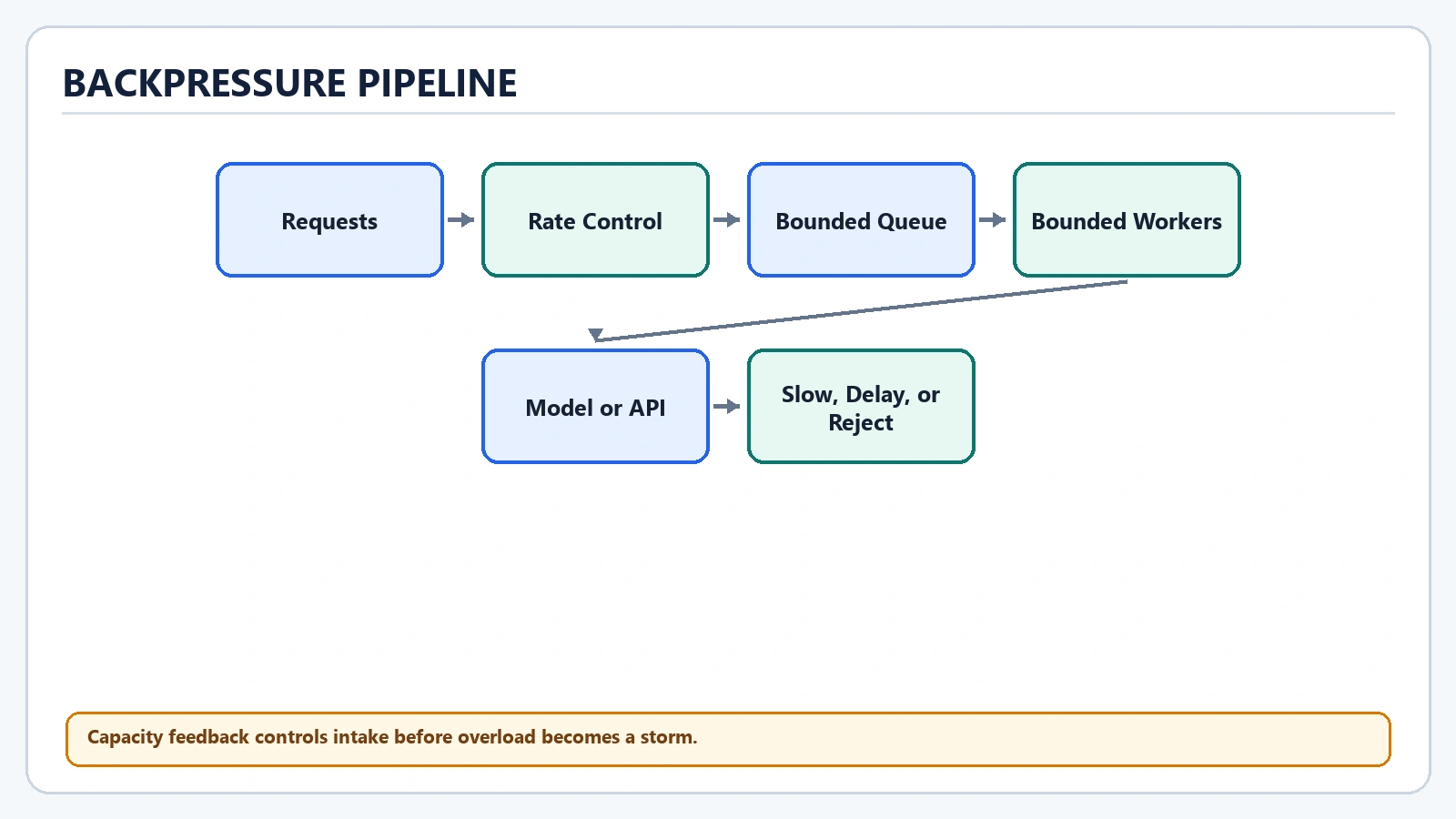
Rate Limits and Backpressure in AI Agents
Control overload before immediate retries turn constrained models, tools, or workers into a failure storm.
-
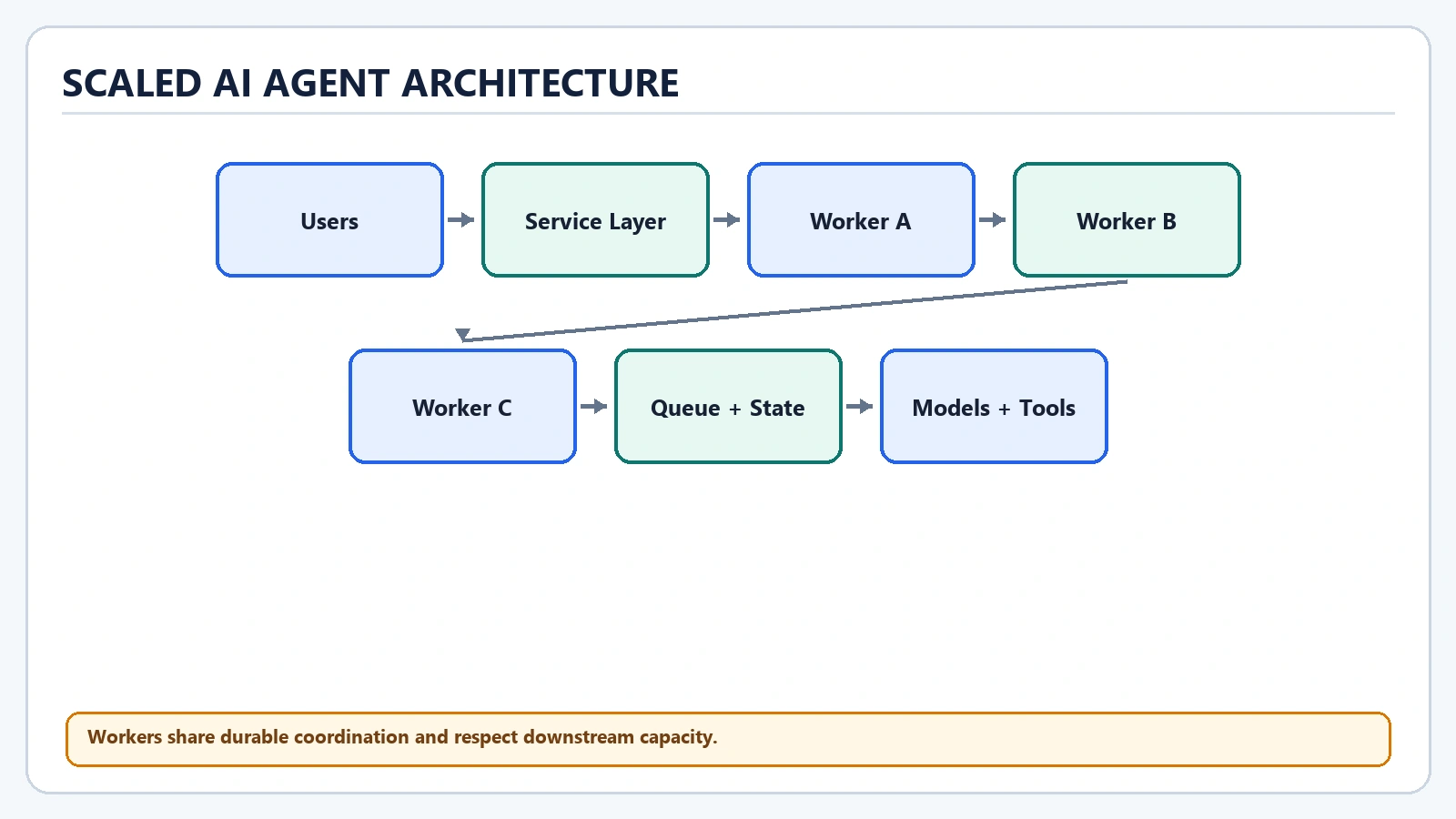
Scaling AI Agent Systems
Grow workload capacity safely by separating stateless runtimes from durable tasks and protecting constrained dependencies.
-
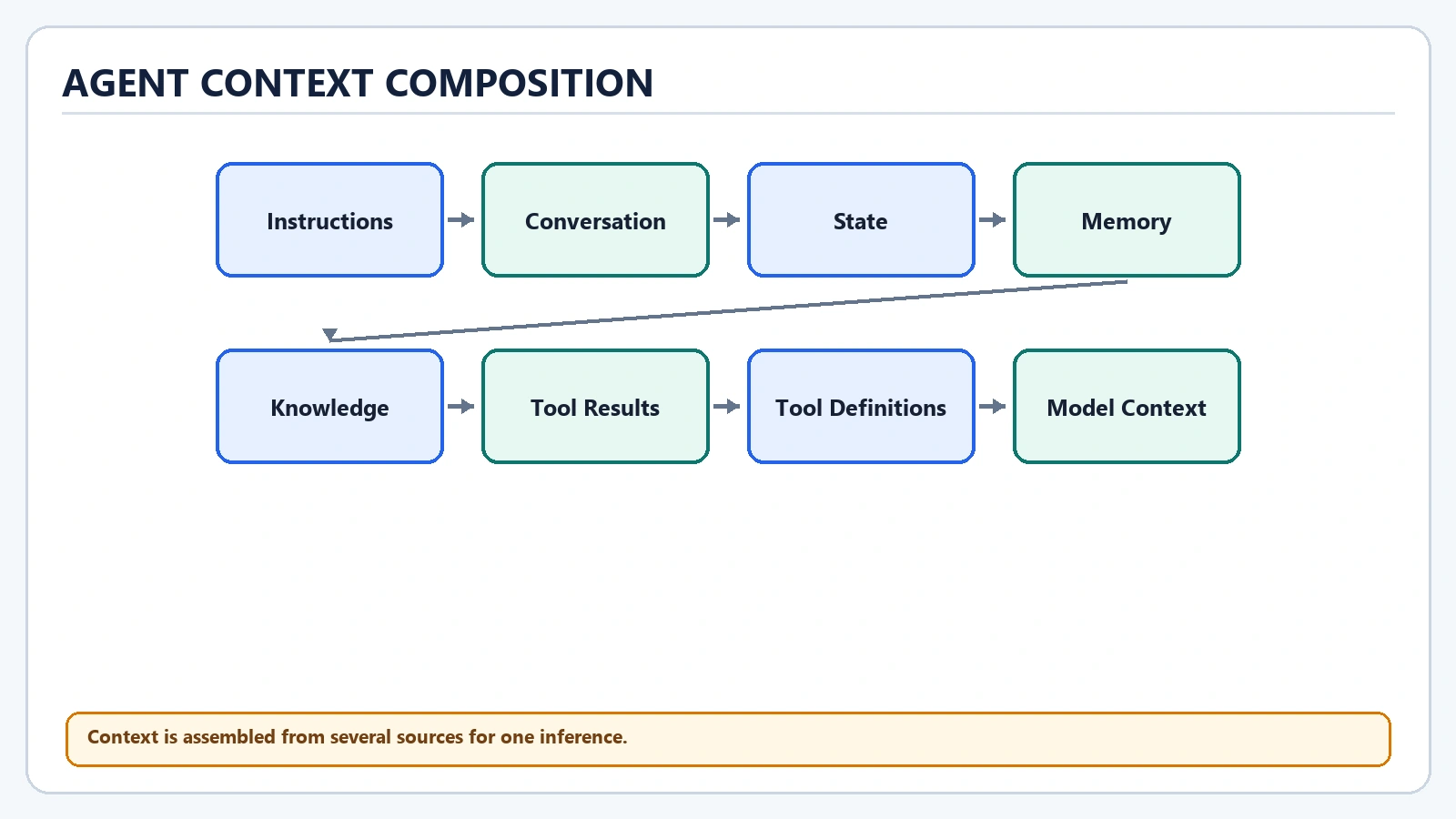
Context and Token Cost Optimization
Build focused model context that preserves decision-relevant information while removing repeated and irrelevant tokens.
-
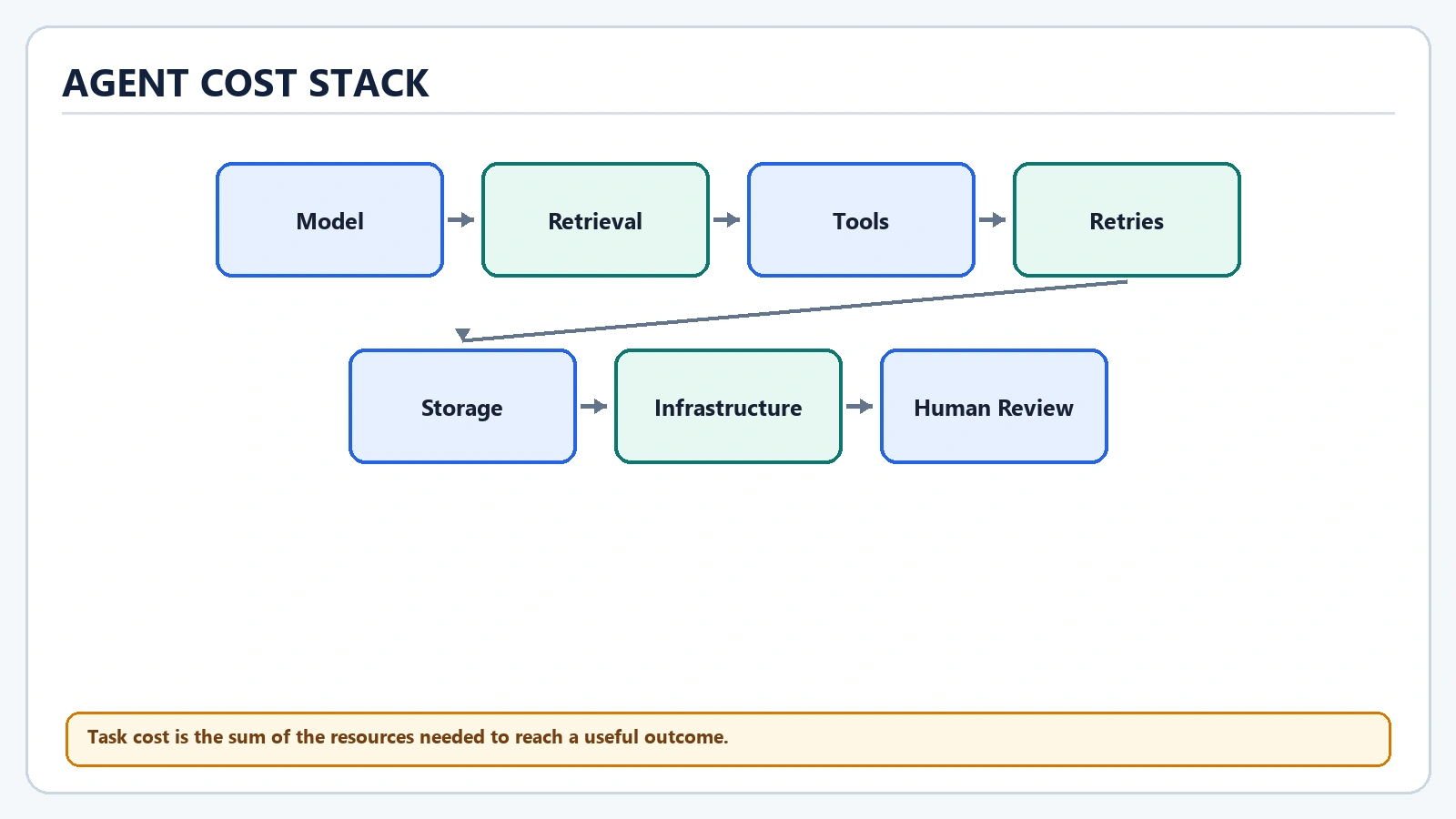
AI Agent Cost Optimization
Control the cost of successful agent outcomes, not merely the price of one model call.
-
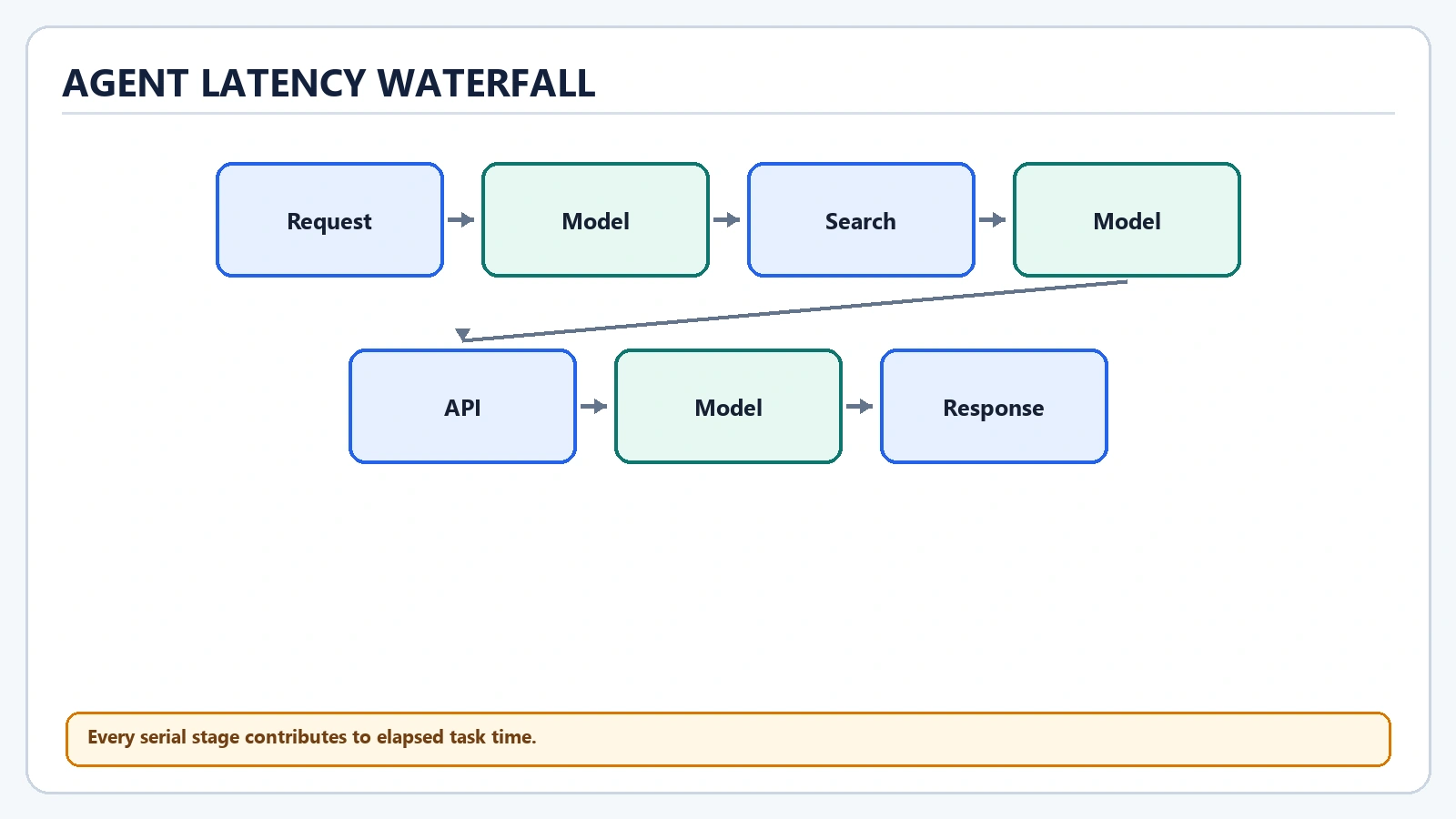
Agent Latency Explained
Why multi-step agents feel slow, where elapsed time accumulates, and how to improve speed without breaking the task.
-
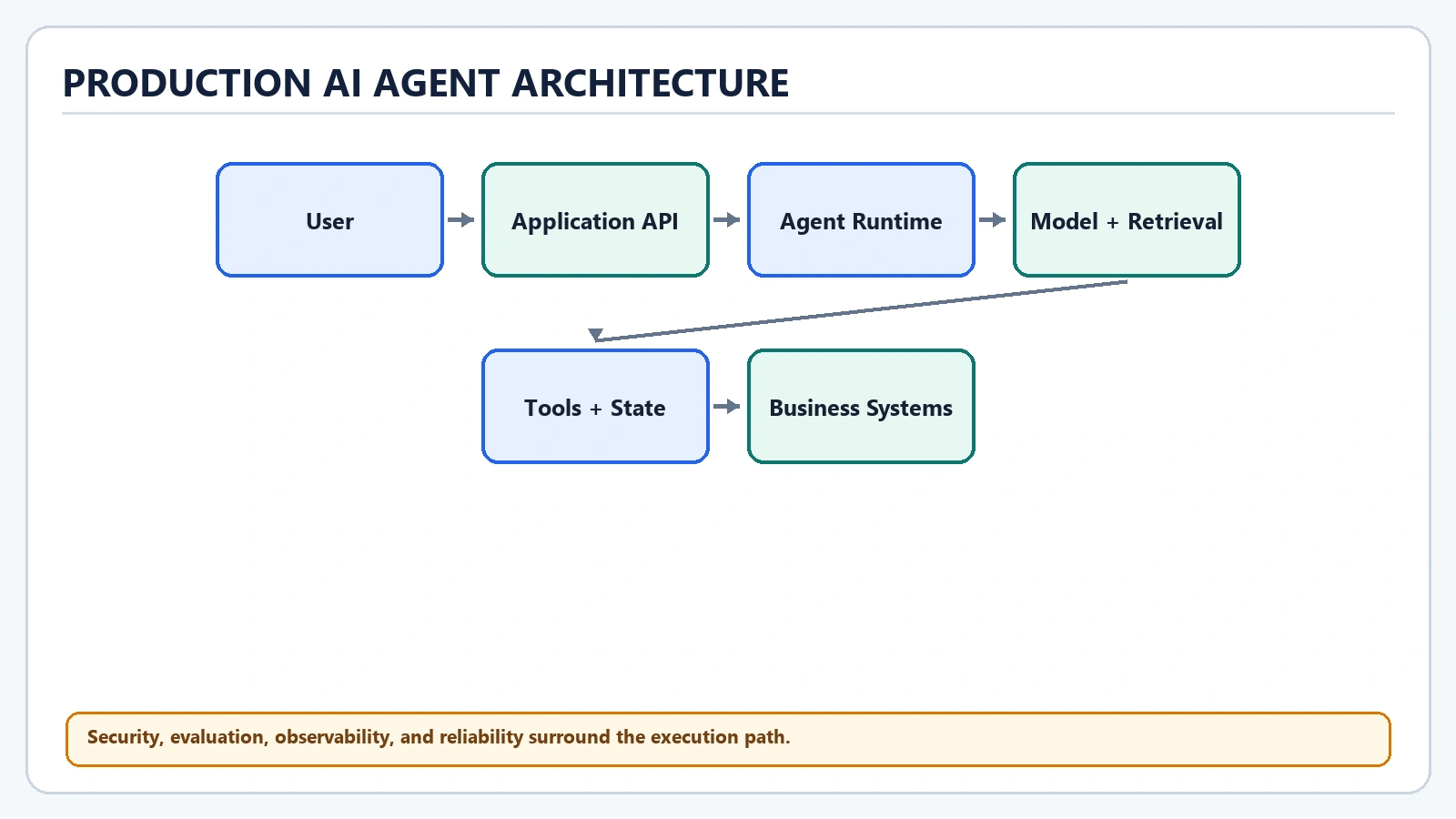
Deploying AI Agents to Production
A practical path from a local agent prototype to a controlled, observable, and reversible production service.